
The Ninth Circuit's June 2026 ruling in United States v. DeBorba delivered yet another blow to law-abiding gun owners, declaring that firearm silencers fall outside the plain text of the Second Amendment. The court upheld the National Firearms Act's registration and tax requirements as a "valid shall-issue licensing regime," brushing aside arguments that these devices are essential components of modern firearms. For anyone who values hearing protection and practical self-defense tools, this decision feels like a deliberate attempt to chip away at our rights under the guise of regulation.
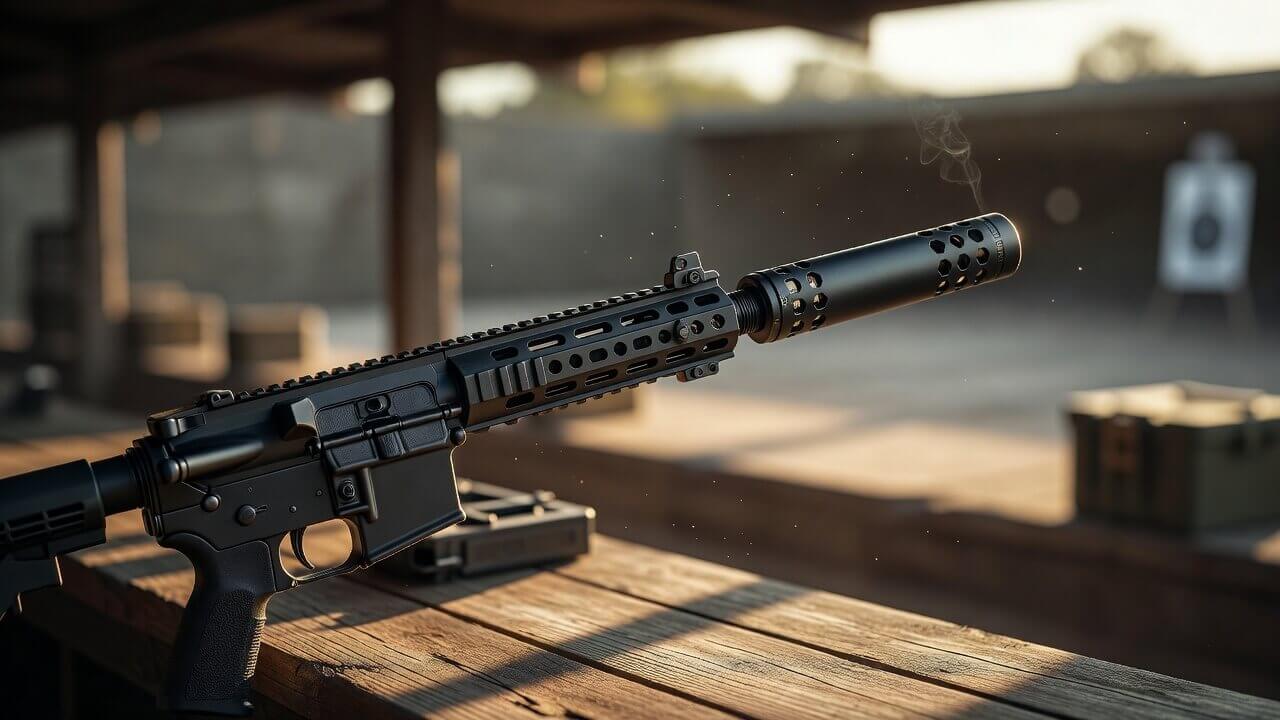
Silencers aren't some exotic gadget invented for covert operations. They're sound moderators that reduce the ear-splitting blast of gunfire by 20-35 decibels, bringing the report down to safer levels comparable to a jackhammer rather than a jet engine. Hunters, sport shooters, and homeowners defending their families have used them for decades to protect their hearing without sacrificing effectiveness. The Ninth Circuit's logic—that these devices aren't "arms" themselves—ignores the reality that the Second Amendment protects the right to keep and bear arms in common use for lawful purposes, including the accessories that make those arms functional and safe.
Why This Ruling Misses the Mark
Under the Bruen framework, the government must show a historical tradition of regulating silencers to justify today's restrictions. The court leaned heavily on the idea that silencers are mere accessories rather than arms, sidestepping the fact that suppressors have been commercially available and widely used since the early 1900s. Lawmakers in 1934 slapped the NFA on them during a wave of prohibition-era panic, not because of any founding-era precedent. This decision keeps that outdated burden in place, forcing Americans to pay a $200 tax, submit fingerprints and photos, and wait months for approval just to exercise a basic safety measure.
Critics of the ruling point out the absurdity: the same court would likely view a red-dot sight or a magazine as protected if challenged directly, yet a device that simply makes shooting less damaging to your ears gets singled out. Shall-issue permitting sounds reasonable on paper, but the NFA process creates de facto barriers, especially for those in rural areas or with busy lives who can't navigate endless bureaucracy.
Protecting Our Hearing and Our Rights
Pro-2A advocates have long argued that forcing people to shoot unsuppressed increases permanent hearing damage, a problem that affects veterans, competitive shooters, and new gun owners alike. European countries treat suppressors as standard safety equipment with minimal restrictions, and crime rates haven't skyrocketed because of it. Here at home, the Ninth Circuit's stance only fuels the narrative that any improvement to firearms technology deserves extra scrutiny.
The fight doesn't end with this opinion. DeBorba was a facial challenge, leaving room for as-applied cases and potential Supreme Court review. States within the Ninth Circuit should consider legislation to ease NFA compliance or challenge the tax stamp requirement head-on. Gun owners everywhere need to stay engaged—contact your representatives, support organizations litigating these issues, and keep demonstrating that responsible ownership includes using every tool available to shoot safely and effectively.
Decisions like this remind us that the Second Amendment isn't just about the gun in your safe. It's about the full ecosystem of accessories that make that right meaningful. Silencers deserve the same protection as the firearms they enhance, and the Ninth Circuit's refusal to acknowledge that is a setback we can't afford to accept.
References
- https://everytownlaw.org/everytown-center-for-the-defense-of-gun-safety/recent-decisions/
- https://cdn.ca9.uscourts.gov/datastore/opinions/2026/06/03/24-3304.pdf
- https://www.scotusblog.com/2026/02/the-second-amendment-landscape/
- https://firearmslaw.duke.edu/2026/03/scotus-gun-watch-3-30-2026
- https://www.congress.gov/crs-product/LSB11108