
Recent reports from law enforcement agencies across several states have spotlighted an increase in seizures of inexpensive 3D-printed auto-sear conversion devices designed for semiautomatic pistols. While these stories grab headlines, they underscore a critical distinction that often gets lost in the noise: these items represent criminal misuse of technology, not a widespread threat from law-abiding gun owners.
The devices in question allow a pistol to fire in full-automatic mode, something already heavily restricted under federal law. Machine guns have been regulated since the National Firearms Act of 1934, with new civilian production effectively halted decades ago. Any individual caught manufacturing, possessing, or using such a conversion without proper licensing faces serious federal charges. The uptick in printed versions simply reflects how accessible 3D printing has become—not a sudden surge in demand among responsible citizens.
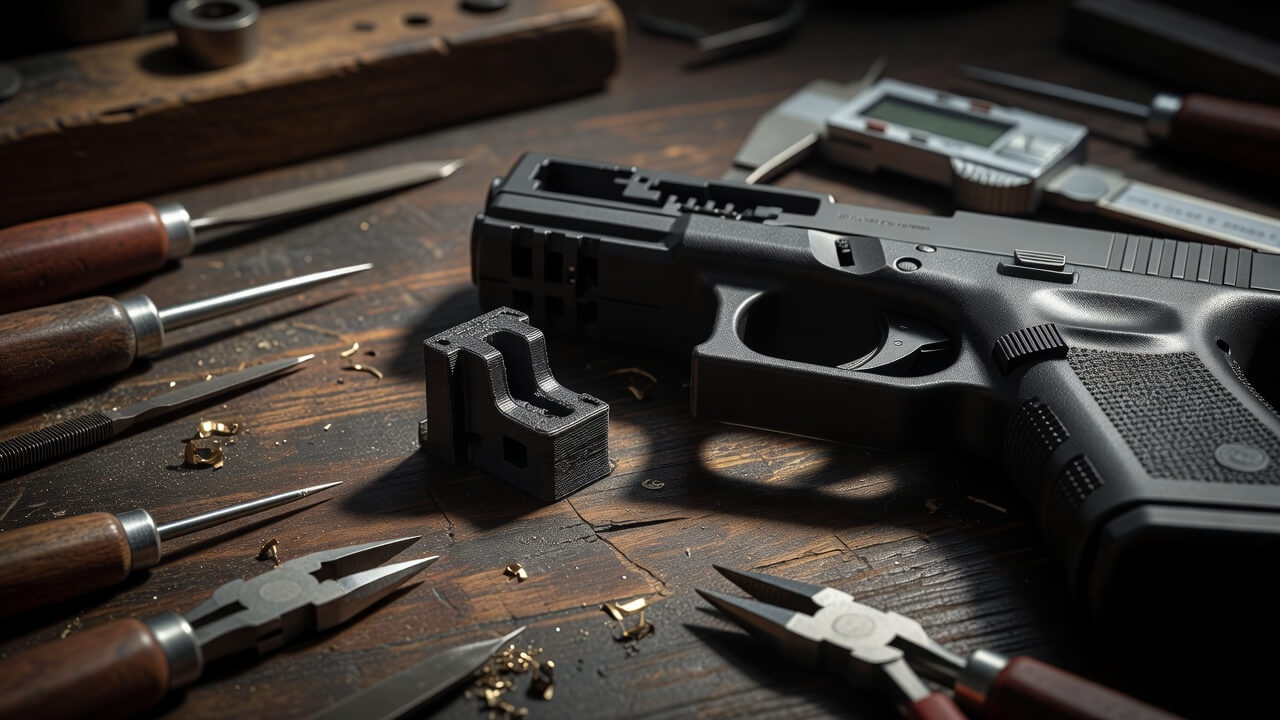
Unlike the brace and suppressor debates, which centered on reclassifying common accessories used for better control and hearing protection, these auto-sear devices serve no legitimate sporting or defensive purpose for civilians. They are tools of illicit activity, often recovered during investigations into drug trafficking or gang violence. Law enforcement should prioritize aggressive prosecution of those who produce and distribute them to criminals, rather than using isolated cases to justify broader restrictions on legal firearm ownership.
Technology Moves Forward—Rights Remain Constant
Critics may point to the low cost and ease of printing as reasons for alarm, yet the same arguments were once made about desktop publishing or home CNC machines. Innovation in manufacturing empowers individuals, and the Second Amendment protects the right to keep and bear arms without waiting for government permission on every new tool or technique. The focus must stay on the bad actors who ignore existing statutes, not on punishing the millions of Americans who train safely, store firearms responsibly, and never cross the line into prohibited modifications.
Enforcement agencies already possess the legal tools to address these conversions. What they need is sustained attention on actual criminal networks rather than symbolic crackdowns that risk ensnaring hobbyists experimenting with legal, non-automatic components. History shows that when government overreaches in response to rare violations, law-abiding owners bear the brunt through added red tape and narrowed options.
Staying Vigilant Without Sacrificing Liberty
Responsible gun owners support strong measures against violent crime. That support includes backing targeted enforcement against those who turn printers into sources of illegal machine guns. At the same time, the community must push back against any narrative that equates technical curiosity or lawful firearm ownership with criminal intent. The right to self-defense and the tools that enable it does not evaporate because a small number of individuals choose to break the law.
Stay informed, train consistently, and keep pressure on policymakers to target real threats instead of manufacturing new crises from existing regulations. The Constitution’s protections were written for an era of rapid technological change, and they remain as relevant today as ever.

References
- https://bvwv.nwaonline.com/news/2025/may/28/uptick-in-cheap-printable-devices-to-convert-guns/
- https://news.bloomberglaw.com/insurance/firearm-shop-meets-skeptical-2nd-cir-in-aig-ghost-gun-dispute-32
- https://www.latimes.com/socal/daily-pilot/news/story/2024-06-12/federal-appeals-court-upholds-gun-sales-ban-on-state-lands-holstering-fairgrounds-shows
- https://www.myjournalcourier.com/news/article/illinois-cook-county-assault-weapons-ban-21021850.php
- https://www.scotusblog.com/cases/growth-energy-v-calumet-shreveport-refining-llc/